Atradius Atrium
Get direct access to your policy information, credit limit application tools and insights.

 Canada
 Australia
 Austria
 Belgium
 Brazil
 Bulgaria
Canada
Bulgaria
Canada
 China
China
 Czech Republic
 Denmark
 Finland
 France
 Germany
 Greece
 Group
Group
 Hong Kong SAR
 Hungary
 India
India
 Ireland
 Italy
Italy
 Japan
Japan
 Lithuania
 Mexico
 Netherlands
 New Zealand
 Norway
 Poland
 Portugal
 Romania
 Singapore
 Slovakia
 Slovenia
 Spain
Spain
 Sweden
 Switzerland
 Turkey
 United Arab Emirates
 United Kingdom
 United States

As El Niño conditions strengthen, businesses face growing exposure to weather-related disruptions. The World Meteorological Organisation (WMO) warns that the phenomenon could continue into 2027, increasing uncertainty across supply chains, commodity markets and international trade.
El Niño is an economic event as well as a meteorological one. Warmer Pacific waters - a naturally occurring phenomenon - lead to rising temperatures and unpredictable rainfall patterns. Some areas of the world become drier and others wetter, impacting economic growth, inflation, trade flows and commodity prices.
With this year's event set to fuel the flames of global warming, it could be the costliest yet. And in a deeply interconnected world, the economic consequences will be felt across oceans and continents.
But El Niño will bring opportunities as well as challenges, and there are ways to mitigate the worst impacts of the event. In this article, we explore what El Niño will mean for different sectors and regions.
El Niño events occur naturally every two to seven years on average. They are not caused by climate change and climate change does not make them more frequent, but global warming can amplify their impacts. The interaction between El Niño and a warmer climate could reshape markets, trade flows and sector prospects.
“Major El Niño episodes have historically influenced economic growth, inflation, trade flows and commodity prices,” says Dana Bodnar, Senior Economist at Atradius. “Agricultural disruption can reduce food supplies, contributing to higher food inflation. Extreme weather can damage infrastructure, interrupt production and increase logistics costs. At the same time, governments may face higher spending needs to support affected communities and repair damaged assets.”
Major El Niño episodes have historically influenced economic growth, inflation, trade flows and commodity prices and the consequences of any extreme weather rarely remain local.
El Niño impacts are not consistent but depend on where you are in the world. The 2015-16 El Niño, one of the strongest on record, contributed to severe droughts in parts of southern Africa and Southeast Asia, and devastating floods in South America. The 2023-24 event contributed to record global temperatures and also brought droughts to some regions and flooding to others.
Pacific-facing nations, especially those dependent on agriculture, are typically hardest hit. Fragile water resources and climate-sensitive infrastructure increase their risk. But nowhere is completely immune to the impacts of extreme weather, even if they are not in the immediate firing line.
“The consequences of any extreme weather rarely remain local,” says Bodnar. “In a highly interconnected global economy, supply disruptions in one region can quickly influence commodity prices, trade flows and business costs across the world. A poor harvest in a major agricultural exporter can lead to higher food prices globally; while flooding or droughts that disrupt transport infrastructure can create bottlenecks throughout international supply chains.”
Agriculture is often the first casualty of extreme weather, followed by transport and logistics. But consequences quickly ripple through other sectors as deliveries are delayed and production schedules unravel. As input costs rise investment is cut. Pressure spreads through economies, influencing inflation, trade balances and corporate profitability.
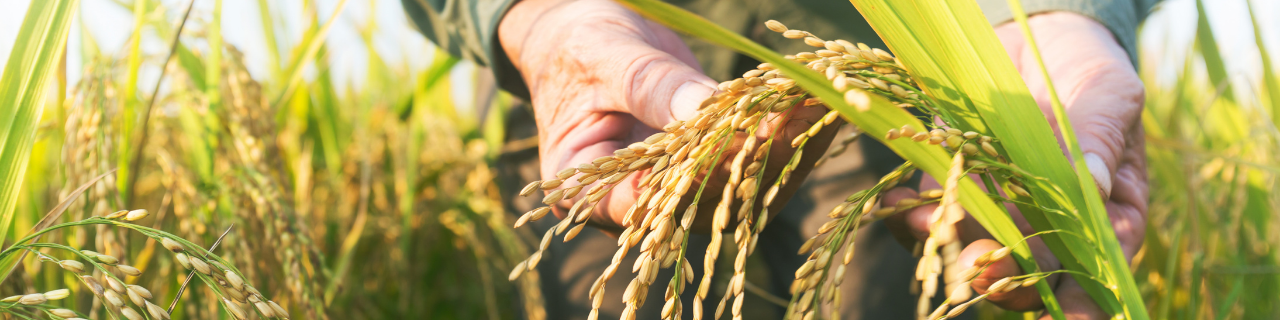
Ahead of the 2023–2024 event, the ECB estimated that a strong El Niño could raise global food commodity prices by up to 9%. But the links are complex and impacts tend to depend on where you are and what you grow. For example, El Niño typically boosts soybean production while reducing yields of rice, wheat and maize.
A strong El Niño alone is capable of disrupting global agricultural trade by reducing crop yields and tightening food supplies.
In 2026, El Niño will impact a world already in the grip of extreme weather. As of early June, over 50% of the US was in drought, with around 250 million acres of crops affected. Temperatures in India have soared above 40°C. Australia’s globally important wheat harvest is forecast to fall by around 9 million tonnes in 2026/27, as the impacts of climate change and El Niño collide.
On top of it all, the US-Iran war and closure of the Strait of Hormuz have had a disastrous effect on global fertiliser supply.
“A strong El Niño alone is capable of disrupting global agricultural trade by reducing crop yields and tightening food supplies. Coupled with today's geopolitical uncertainties, including conflicts that have affected energy, fertiliser and logistics markets, the risks become significantly more pronounced,” says Sherly Caroline, Agrifood Sector Expert for Asia Pacific at Atradius. “This combination of climate and geopolitical pressures is likely to constrain production in several key agricultural regions, increase global price volatility and push food prices higher worldwide, with emerging markets expected to be the most affected.”
The combination of climate and geopolitical pressures is likely to constrain production, increase global price volatility and push food prices higher, with emerging markets expected to be the most affected.
Food inflation can also degrade sovereign credit risk. Higher import bills and the increased costs of subsidising hard-hit farmers reduce foreign exchange reserves and threaten macroeconomic stability.
.2026-07-14-15-54-55.png)
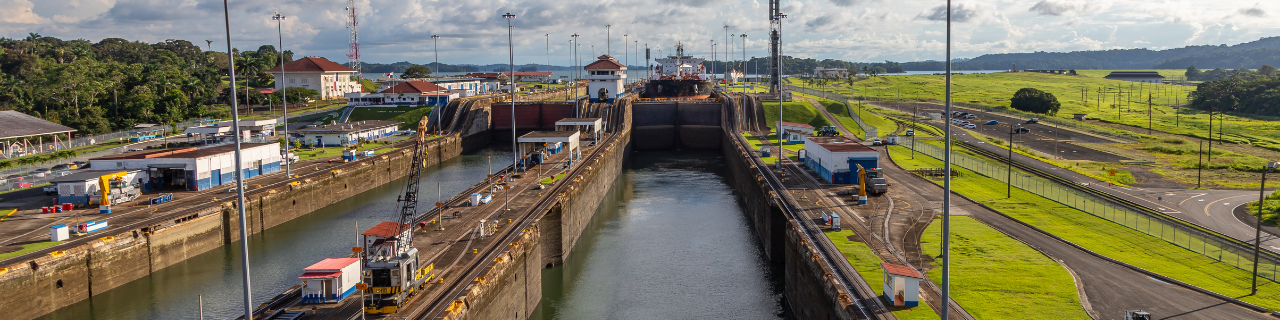
In the face of a strong El Niño event, the transport sector may face disruption from flooding, storms and infrastructure damage. Rerouting cargo could delay shipments, increase costs across global supply chains.
Drought conditions can disrupt waterway transport, creating significant trade bottlenecks.
“Drought conditions can disrupt waterway transport, creating significant trade bottlenecks,” says Andrew Spiccia, Head of Risk - Singapore, Malaysia & Philippines at Atradius. “The Panama Canal is one of the world's most critical trade arteries. Any significant disruption would affect trade flows between Asia, the Americas and Europe, with repercussions far beyond the regions directly impacted by El Niño. As deliveries become less predictable, businesses can face production delays, higher logistics costs and greater operational uncertainty.”

Energy shocks add to inflationary pressures. Heatwaves increase the stress on power grids as businesses and households resort to air conditioning and cooling equipment. Droughts limit the production of hydroelectric power, and governments and businesses have to spend more to repair damaged infrastructure.
Extreme weather can disrupt energy infrastructure, affect fuel transportation and increase operational costs.
“Extreme weather can disrupt energy infrastructure, affect fuel transportation and increase operational costs,” says Andrew Spiccia, Head of Risk - Singapore, Malaysia & Philippines at Atradius. “In some markets, this combination of rising demand and constrained supply can contribute to higher energy prices and place additional pressure on businesses already dealing with elevated costs.”
Businesses need to prepare for disruption by understanding how extreme weather might impact their costs, production schedules and supply chains. Forewarned is forearmed. That said, some businesses may also find opportunity in adversity. El Niño effects can improve yields of certain crops in some regions. Food businesses with the flexibility to take advantage of surpluses where they exist, or mitigate risk through more diverse global sourcing, will be better equipped to ride out the storm.
In addition, producers of cooling technologies, energy efficiency solutions and grid resilience services may see increased demand. Utilities with diversified generation portfolios can benefit from higher electricity consumption during periods of extreme heat. Transport companies can do little about storms or floods, but they can plot alternative routes in advance to minimise delays and disruption. The ability to track and react quickly to extreme weather becomes a competitive advantage.
Despite these glimmers of hope, extreme weather is a serious and growing problem for business. The kind of record-breaking heatwaves experienced across Europe already this summer reduce air quality and impact productivity. Capital expenditure requirements rise along with insurance costs.
“Extreme weather can disrupt production schedules, delay deliveries, increase input costs and create uncertainty around demand,” says Bodnar. “As revenues come under pressure and costs rise, companies may face tighter liquidity and working capital constraints.”
Businesses facing climate-related disruption may seek longer payment terms, delay payments to suppliers or increase their reliance on external financing. In more severe cases, prolonged disruption can raise the risk of insolvencies and bad debt.
The return of El Niño serves as a reminder that extreme weather is a multi-faceted business issue. It can alter growth prospects, disrupt trade flows, create new business opportunities and influence corporate payment behaviour. For companies, understanding risks, mitigations, and opportunities will be critical to navigating a more volatile climate and business environment, through El Niño and beyond.
To explore how to strengthen your own credit risk strategy, get in touch with us and see how we can help you stay ahead.


